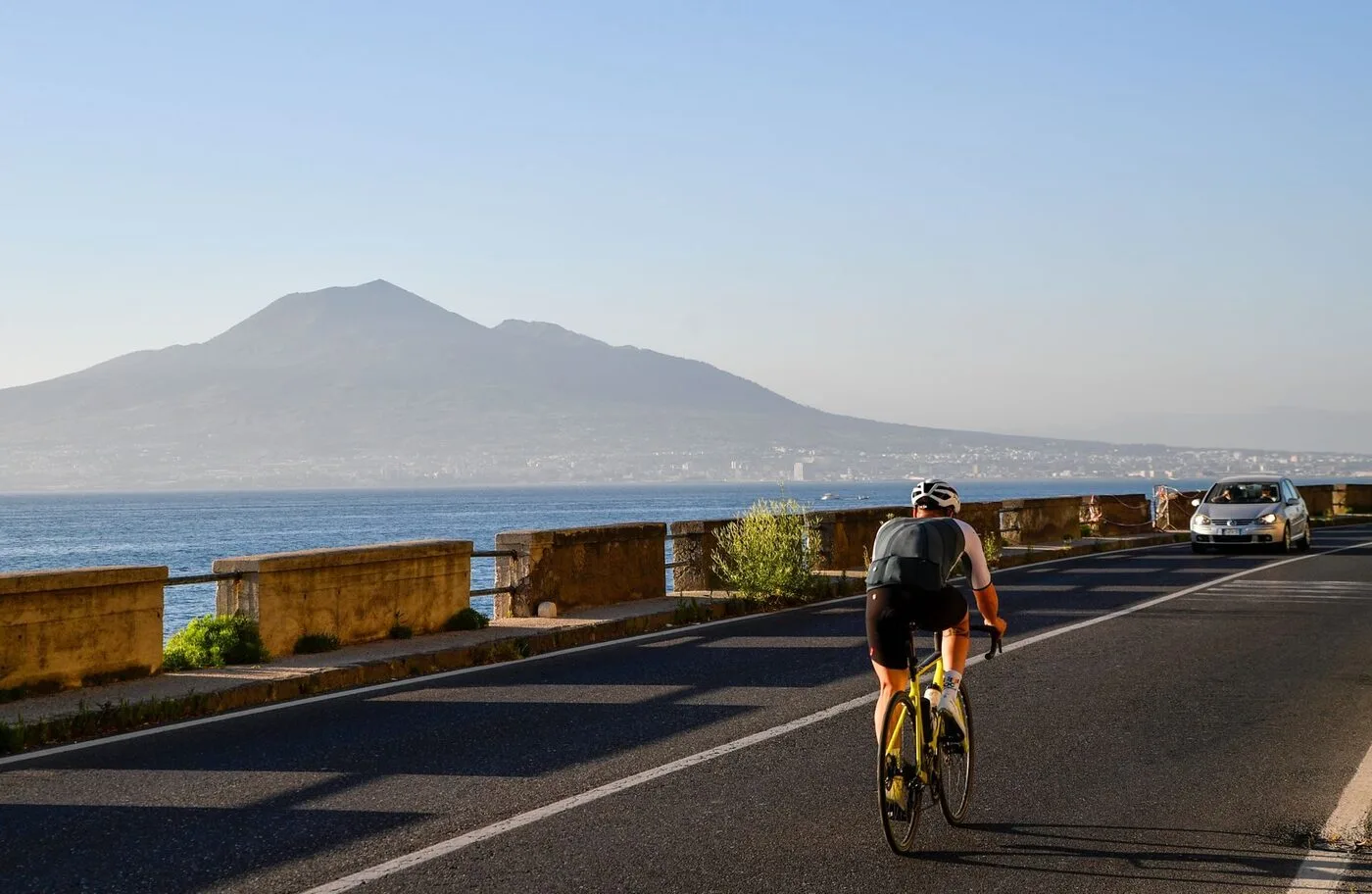
Most packing advice for cycling holidays is written for the Alps and then reused everywhere. Cyprus needs a different list, mainly for two reasons: the temperature range across a single trip is wider than visitors expect, and the sun is stronger than the air temperature suggests.
This is what actually earns its place in the bag. If the bag in question is a bike box, read whether to fly your own bike out first. That decision changes this list considerably.
Kit for the climate
- Light-coloured, lightweight jersey and bibs. The sun matters more than the air temperature here, and dark kit in strong sun is a meaningful difference rather than a marginal one.
- A packable jacket or gilet. Non-negotiable if you are going anywhere near the mountains, and useful on winter mornings at the coast. It weighs nothing in a jersey pocket.
- Arm and knee warmers rather than a second full winter kit. They cover the morning-to-midday temperature swing without the bulk, and they come off mid-ride.
- A cap or headband under the helmet. Keeps sweat and sunscreen out of your eyes on a long climb.
- High-factor sunscreen, and more than you think. Mid-ride reapplication is normal here, so take a small tube for the jersey pocket as well as the big one for the hotel.
- Sunglasses with decent coverage. Glare off pale rock and off the sea is real, and grit on inland roads is another reason.
- Two bottles, minimum. One bottle is fine in a northern European spring and is not fine here.
What to leave at home
Deep winter kit, overshoes and a heavy waterproof are almost always dead weight unless you are coming in midwinter and heading high. Rain here tends to arrive in short, sharp spells rather than settling in for the day, so a packable shell does the job a rain jacket would at home.
Thermal bib tights are similarly rarely needed. Knee warmers and a decent gilet cover the realistic range for most of the year.
Bring these, do not hire them
Some things are personal enough that hiring is a false economy, and all of them fit in hand luggage:
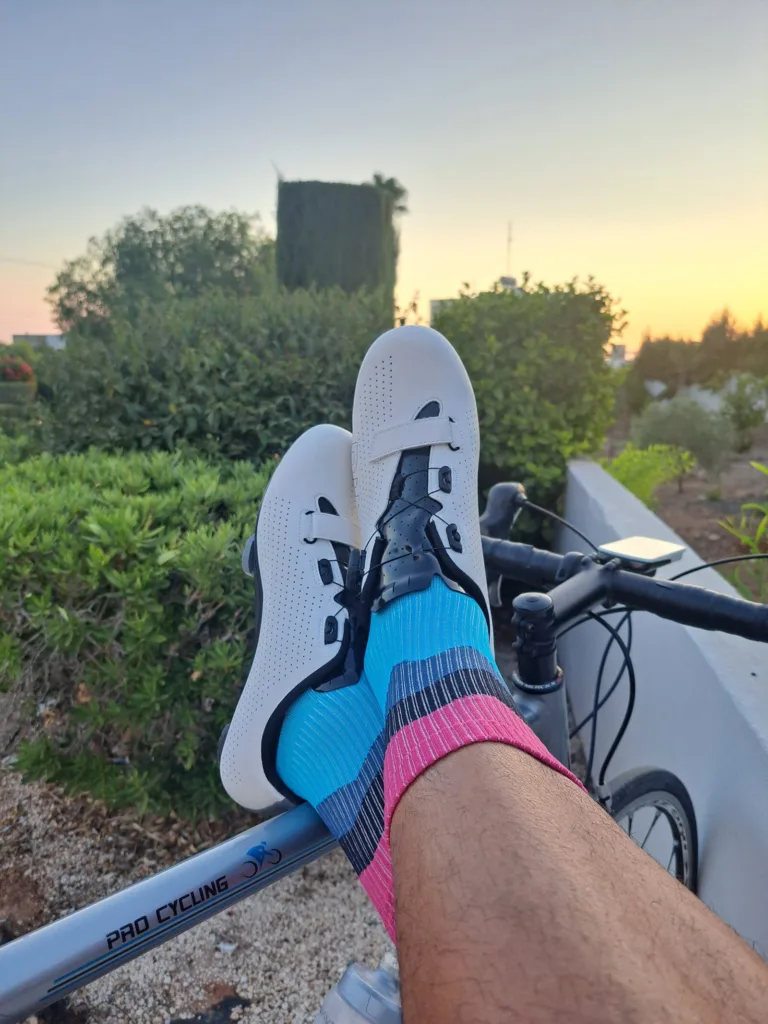
- Your shoes. Always. There is no version of this where borrowed shoes are a good idea on a week of riding.
- Your saddle, if you have one you are particular about. It is a two-minute swap and it can rescue a week.
- Your pedals, if you would rather not use hire ones. We can supply pedals if you prefer to travel light, and it is worth saying which system you use when booking.
- Your helmet, if it fits well and packs. Otherwise it is available to hire.
- Your bib shorts. The one garment where fit is not negotiable over four hours.
Tools, spares and the boring things
If you are hiring, most of this comes with the bike and it is worth confirming what does rather than duplicating it. If you are bringing your own:
- Multitool, tyre levers, tube, pump or CO2. The basics, and note that CO2 cartridges have airline restrictions, so check before you pack them.
- A spare tube even if you run tubeless. Sharp limestone is unforgiving of sidewalls.
- Chain lube. Dry, dusty conditions eat wet lube quickly, and a gritty drivetrain on a long climb is miserable.
- Charging cables for computer, lights and anything else. Cyprus uses UK-style three-pin sockets, so a Europlug adapter is not enough if you are coming from mainland Europe.
The bike itself: fly with it or hire?
This is the real question, and for a trip of a week or two the arithmetic usually favours hiring. The short version is below; the long version, including the cases where flying your own out is clearly right, is whether to fly your own bike out.
Against flying with your own: airline bike fees apply in both directions and are rarely trivial; transit damage is a real risk and a bent derailleur hanger can cost you the first two days; boxing and rebuilding costs time at both ends; and moving a bike bag between airport, hire car and hotel is more hassle than it sounds. Add the storage problem of an empty bike box in a hotel room for a week.
In favour of flying with your own: an unusual fit, a bike you race on, or a trip long enough that the hire cost approaches the flight cost. Those are real reasons and worth respecting.
Our bike rental in Cyprus covers road and mountain bikes across the normal size range, with delivery to Protaras, Ayia Napa and Larnaca, so the bike is waiting when you arrive rather than being a task for your first morning. Helmets, pedals and computers are available as extras, which means you can travel with shoes, shorts and a jersey and nothing else.
Documents and insurance
Check that your travel insurance covers cycling as an activity. A surprising number of standard policies exclude it or treat it as a sportive add-on, and the time to discover that is not afterwards. If you are hiring, read what the hire terms cover and what they do not.
If you are planning to drive to the mountains, remember the same keep-left rule applies in a car as on a bike. That and the rest of the road rules are in riding safely on Cypriot roads.
The thing people forget
Traffic drives on the left in Cyprus. That is not something you pack, but it is worth planning for: make your first ride an easy one on quiet roads rather than a long day that starts on the coast road at 09:00. The instinct about which way to look at a junction is the part that takes a day or two to rewire.
If you are unsure what to book or what to bring, get in touch and we will tell you honestly, including when the answer is that you do not need something.
Do I need to bring a helmet?
Bring your own if it fits well and survives packing, because fit matters and a helmet you like is a helmet you wear. If not, it is available to hire and that is a perfectly reasonable choice for a week.
Can I hire pedals, or should I bring mine?
Either. Pedals are available, and if you say which system you use when booking it can be sorted before you arrive. Bringing your own is the safe option if you are particular about float or cleat position. They weigh little and fit in hand luggage.