
Every January a lot of people join a gym, and a lot of the same people stop going by March. That is such a reliable pattern that it is worth treating as information rather than as a personal failure: for a substantial number of people, the gym is not the thing that was missing.
This is written for them. It is not a diet and there are no numbers in it, because a stranger on the internet prescribing your calories is a guess with a confident tone, not advice.
One thing to say plainly at the start: if you have a medical condition, take regular medication, or are a long way from where you want to be, talk to your doctor before you change much. That is not a disclaimer added by a lawyer. It is that several of the ordinary reasons weight does not move are medical, and no amount of training fixes those.
It is mostly what you eat, and that is good news
The uncomfortable arithmetic first: it is far easier not to eat something than to burn it off afterwards. An hour of hard exercise is undone by a fairly ordinary snack, which is why people who train hard and change nothing else are so often baffled by the results.
The good news buried in that is that the food half does not require a gym, a membership, an hour you do not have, or anybody watching you. It is the part of this you can start today.
What tends to work, in the order it tends to matter:
- Eat enough protein. It keeps you full and it is what protects the muscle you have while the weight comes off. Losing weight without it means losing some of the wrong thing.
- Drink less of your food. Juice, iced coffee, alcohol. Liquid calories are the ones nobody counts and the ones that go down easiest in the heat.
- Cook the things you already like. Every diet that requires unfamiliar food is running a second, harder experiment at the same time.
- Fix breakfast first. One meal, decided in advance, repeated. It removes a decision from the worst-defended part of the day.
- Do not go hungry on purpose. Hunger is not evidence of progress; it is the mechanism by which most attempts end in week three.
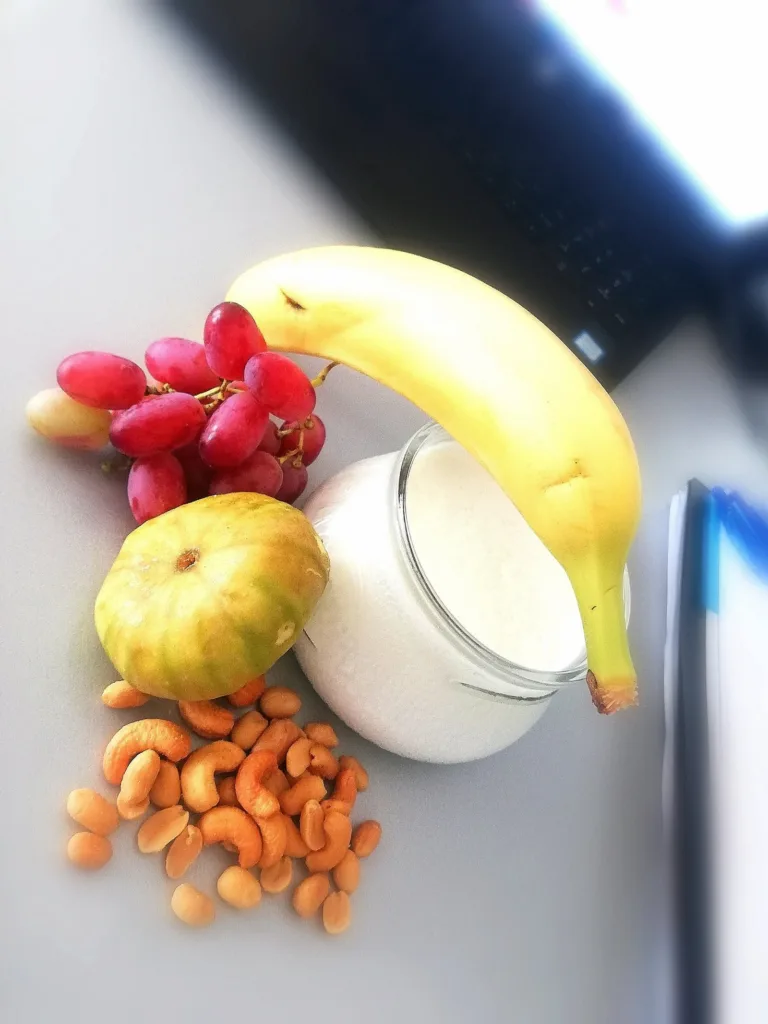
Mediterranean eating (vegetables, fish, olive oil, pulses, fruit) is one of the better-evidenced ways to eat, and it happens to be what is cheapest and freshest here. That is a real advantage of living on this island and most people ignore it in favour of something imported and complicated.
The movement half, which does not have to be indoors
The purpose of the training is not to burn the food off. It is to keep your muscle while you lose fat, to make you feel better while you are doing something difficult, and to build a habit that outlasts the diet. Those are all achievable without ever setting foot in a gym.
- Walking is not a consolation prize. It is the most sustainable thing on this list, it requires nothing, and almost nobody gets injured doing it.
- Swimming suits people carrying more weight better than running does, and there is a great deal of sea here. If you cannot swim, that is a solvable problem: see learning to swim as an adult.
- Cycling is low-impact and covers ground, which makes an hour of it feel like less of an hour.
- Strength work matters more than the cardio does for keeping what you have. It can be bodyweight, outdoors, and take twenty minutes.
- Whatever you will do twice this week beats whatever is optimal. This is the only rule on the page that is non-negotiable.
In this corner of the island the coast path, the seafront and the sea are all free and all pleasant at seven in the morning. Training outdoors on the Cape Greco coast is what training on them looks like when it is organised rather than improvised, and outdoor training is where that sits.
The trap of starting too hard
The most common way this goes wrong is not laziness. It is enthusiasm: five sessions a week, an unfamiliar diet and a deadline, all beginning on the same Monday. That is three simultaneous changes, and when it collapses it takes the belief with it, which is far more expensive than the lost fortnight.
Starting at a level that feels slightly too easy is the single highest-return decision available here, and it is the one nobody wants to hear in January.
Stop weighing yourself every morning
Body weight moves several kilograms a week for reasons that have nothing to do with fat: water, salt, heat, what you ate yesterday, where you are in your cycle. Reading that noise daily is how people conclude a week that went well went badly.
Better instruments, none of which need equipment:
- How clothes fit. Slow, unglamorous, and much harder to argue with.
- What you can do now that you could not a month ago: a distance, a hill, a set of stairs without thinking about it.
- How you sleep, and how you feel at four in the afternoon.
- How many days this month went roughly to plan. That number predicts the outcome better than any single weigh-in.
Where a coach actually helps
Not with willpower, and anybody selling you that is selling the wrong thing. Where it helps is in the three places people reliably get stuck: starting at the wrong level, having no plan for the week that goes badly, and measuring the wrong thing.
Personal training here covers exactly this case, including the version where you have not trained in years and would rather not do it in front of anyone. The consultation is the sensible first step: an hour, on the phone or in person, before you commit to anything. And if the eating half is where you know the work is, that is built into the coaching packages rather than sold as an extra; coaching sets out which ones include a monthly nutrition plan.
How fast should I expect to lose weight?
We are not going to put a rate here, and be suspicious of anyone who does without having met you. What is safe to say is that slower is more durable, that the first fortnight always moves faster than the rest because of water, and that a plan you can still follow in six months beats a faster one you cannot.
Do I have to give up bread?
No. Any plan that removes a food you eat every day is a plan with an expiry date. Portion and frequency do almost all the work that elimination claims to.
Is cycling good for losing weight?
It is good for doing a lot of movement without wrecking your joints, which is a real advantage if you are carrying extra weight. It is not a licence to eat the difference back, which is the specific trap cyclists fall into. Pair it with the food half or it is a hobby rather than a plan: a good hobby, but a hobby.
What if I hate exercise?
Then start with the food, entirely, and add walking. That is not a lesser version of this article. For a lot of people it is the whole of the answer, and the training becomes appealing later for reasons that have nothing to do with weight.